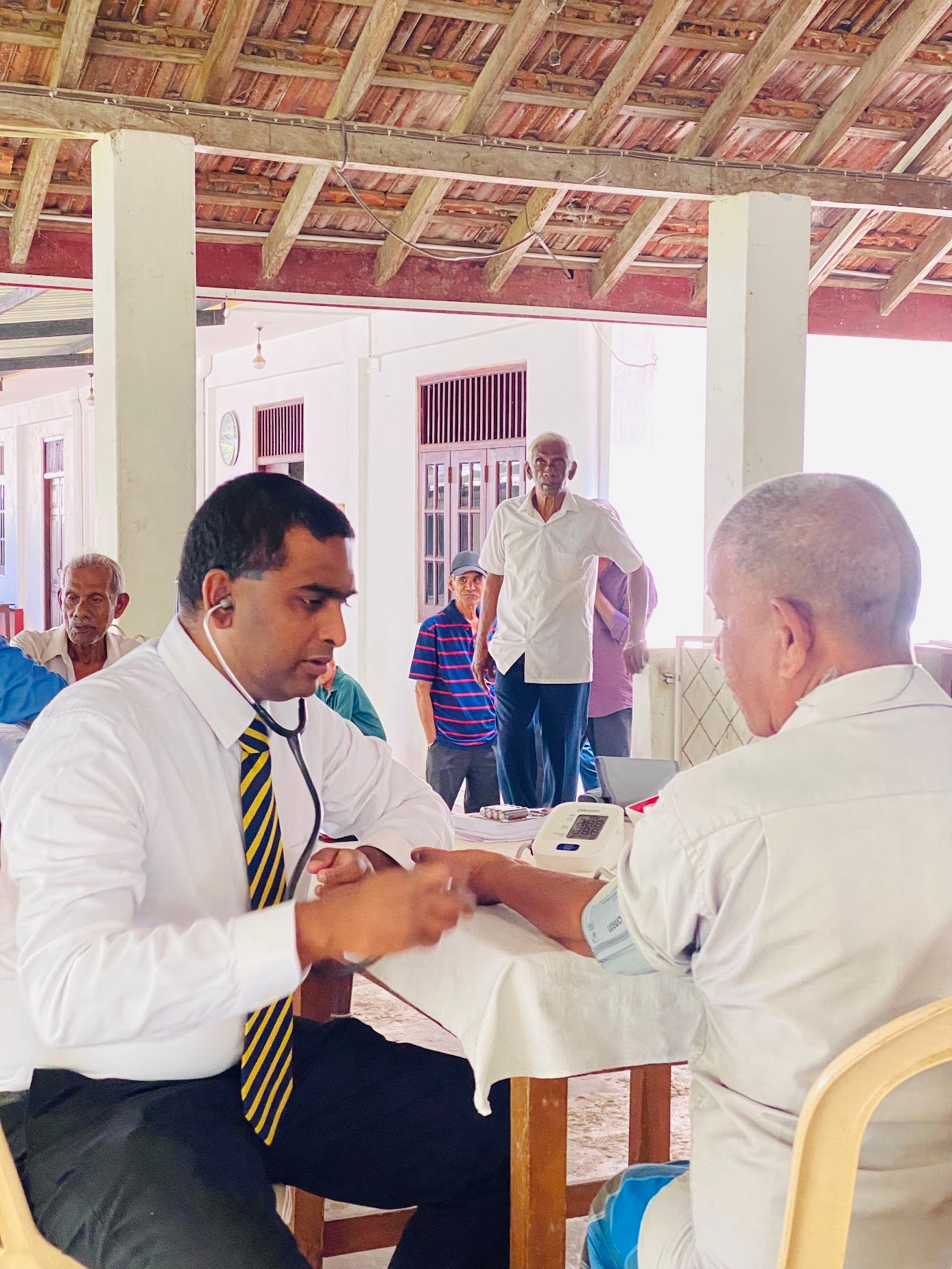
A blood pressure cuff is a blunt instrument. It measures two numbers and nothing else. It does not ask where someone slept, whether they ate today, or how long it has been since anyone called them by name. And yet, on a folding table outside a shelter in Caracas, those two numbers open doors that a questionnaire never could.
The number is the invitation
Volunteers learn quickly that the screening itself is rarely the point. It is the reason to sit down together. The cuff inflates, the silence stretches for thirty seconds, and in that pause people talk. They mention the medication they stopped taking because the pharmacy moved. They mention the headaches. They mention a brother who died at fifty-two.
We came to measure hypertension. What we found was a map of every place the health system had quietly stopped reaching.
What the readings told us
Across a single week of screenings, the pattern was consistent enough to be uncomfortable:
- Nearly half of those screened had never had their blood pressure taken as an adult.
- Of those with readings in the hypertensive range, most had no idea.
- Almost none had a way to check again next month.
That last point is the one that keeps us up at night. A single reading is a photograph. Care is a film. The work ahead is less about finding elevated numbers and more about building the thin, stubborn thread of continuity that turns a reading into treatment.